


 Current position > Product detail
『Meter In Meter Out Flow Control: Pneumatic Cylinder Velocity Adjustments』Related information(flow rotameter|digital flow meter|balo meter|hydraulic flow meter|volumetric meter|positive displacement meter|pitot tube flow meter|displacement meter|cfm meter|variable area flow meter|inline flow meter|differential pressure flow meter|calibrated flow meter|velocity meter|paddle wheel flow meter|oval gear flow meter|anemometer hvac|multiphase flow meter|doppler flow meter|thorpe tube flowmeter|heat flow meter)
Meter In Meter Out Flow Control: Pneumatic Cylinder Velocity Adjustments
Quick Answer: Meter-in flow control regulates the air entering a pneumatic cylinder. Meter-out flow control regulates the air leaving the cylinder. Meter-out offers smoother motion and better control under fluctuating loads. Meter-in is simpler but can cause load runaway in vertical or high-force applications. Silver Automation Instruments supplies thermal mass flow meters to measure compressed air consumption, helping you dial in the right flow control settings and detect costly leaks.
What Is Meter-In and Meter-Out Flow Control
A pneumatic cylinder moves when compressed air fills one chamber and exhausts from the other. Speed control comes from restricting airflow. The restriction point defines the method. When you restrict the supply air entering the cylinder, that is meter-in. When you restrict the exhaust air leaving the cylinder, that is meter-out. Both use adjustable needle valves or flow control valves mounted directly on the port or in the line.
In practice, a single flow control valve often combines a check valve. It allows free flow in one direction and adjustable restriction in the other. This lets you set speed independently for extension and retraction strokes. Most engineers install these valves at the cylinder port rather than at a remote manifold. The reason is simple: shorter trapped air volume between the valve and cylinder means faster speed response and less compressibility effect.
How Meter-In Control Works
With meter-in, you place the flow control on the inlet side. Compressed air passes through a variable orifice before it reaches the cylinder chamber. The exhaust port stays fully open. The restricted supply flow limits how fast the chamber fills. That determines extension or retraction speed. Meter-in is easy to set up. You adjust the needle valve, watch the movement, and lock the setting.
But here is the weakness. The cylinder sees full supply pressure on one side and atmospheric pressure on the exhausting side. Any external load pulling in the direction of motion can make the cylinder run ahead of the air supply. The piston outpaces the restricted airflow. The result is jerky motion or load runaway. We have seen this many times on vertical press applications where gravity pulls the tooling down during the downstroke. Meter-in also cannot control stopping position accurately under variable loads.
How Meter-Out Control Works
Meter-out restricts the exhaust flow. Supply air enters the cylinder freely via an open check valve. On the rod side (or cap side during retraction), exhaust air must pass through the flow control orifice before venting. This creates back pressure. The back pressure acts as an air cushion, resisting sudden load changes. Motion becomes smoother, even if the load varies from part to part.
Because the exhaust side is pressurized during movement, meter-out gives you much better control with suspended or vertical loads. A 200 kg injection mold moving down on a 50 mm bore cylinder at 4 bar will not drop suddenly. The trapped exhaust air limits the descent speed precisely. Most industrial applications with horizontal or vertical motion prefer meter-out for this reason. In Southeast Asian food packaging lines, meter-out is the default choice on carton forming cylinders. The operators never touch a meter-in valve on those machines.
When to Use Meter-In vs Meter-Out
If your cylinder moves a light, consistent load horizontally, meter-in works fine. It costs the same and takes the same installation time. If your load changes, if the cylinder is vertical, or if you need consistent cycle time despite pressure fluctuations, use meter-out. A general rule on factory floors: meter-out for anything that could injure an operator if motion becomes uncontrolled. We have supplied flow meters to a paint manufacturer in Thailand that switched from meter-in to meter-out on their bagging station cylinders. Cycle time variation dropped from 0.8 seconds to under 0.1 seconds after the change.
For double rod cylinders or applications where both sides of the piston do work, you can mix the two methods. Meter-out on the working stroke and meter-in on the return stroke can save air. But you must test thoroughly. A water treatment plant in Vietnam ran into trouble with mixed control when filter press cylinders chattered during the stripping phase. They solved it by using meter-out on both directions and adding pilot-operated check valves.
Measuring Air Consumption to Set Flow Controls Properly
Setting needle valves by eye is common. Turning the screw until the movement looks
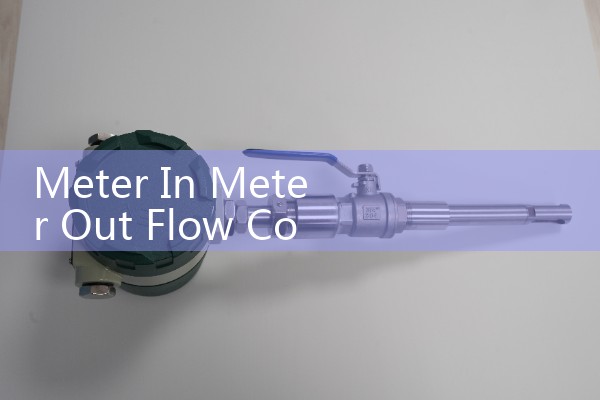
By monitoring the air profile, you can set meter-out valves exactly at the knee point where speed meets the requirement without wasting extra air. A typical factory running 50 packing cylinders at 6 bar can save 15 to 25 percent of compressed air costs after fine-tuning flow controls with a flow meter. A customer in Indonesia reduced their compressor running hours by 11 percent simply by replacing worn-out meter-out valves and verifying the flow with our inline flow meters.
Silver Automation Instruments supplies insertion and inline thermal mass flow meters for compressed air and nitrogen lines from DN15 up to DN100. Output signals include 4-20 mA, RS485, and pulse. They are pressure rated up to 16 bar, suitable for plant air networks. The sensor element works without external temperature or pressure compensation. You get mass flow directly, which means the readings are consistent even if line pressure fluctuates between 5 and 8 bar.
Why Specify Silver Instruments for Your Flow Meter Needs
We have been in the industrial flow measurement business for years, shipping to over 40 countries. Our technical team understands pneumatic applications. You tell us your cylinder bore, stroke, operating pressure, and required cycle time. We recommend a flow meter model that fits your pipe size and provides the accuracy you need for setting meter-in or meter-out valves. Send us these details by email: [email protected]. You can also reach us by phone at +86-135-1213-1526 or on WhatsApp: 86-135-12131526. WeChat is available at +86 13512131526.
Our focus markets include Southeast Asia, Oceania, Latin America, Africa, and the Middle East. We work with end users in oil and gas, water/wastewater, chemical, food and beverage, and marine sectors. Every flow meter ships with a calibration certificate traceable to national standards. Our lead times are short, and OEM branding is possible for qualified distributors.
FAQ
1. Can I use the same flow control valve for meter-in and meter-out?
No. The valve itself is labeled “meter-in” or “meter-out” based on internal check valve direction. Using it backwards defeats the control. Always check the air flow symbol on the body. An arrow with a check ball shows free flow direction. If you reverse it, the cylinder may not move at all or may move unpredictably.
2. Does meter-out use more air than meter-in?
Meter-out typically achieves the same air consumption per stroke for a given speed if both are set correctly. However, poor settings cause overconsumption. The exhaust back pressure in meter-out does not significantly raise total air flow volume. We have measured hundreds of cylinders and found the difference is usually under 2 percent. The bigger factor is leaks in the exhaust circuit.
3. Why does my cylinder creep forward with meter-out control when stopped?
This indicates an external leak past the flow control check valve or a worn cylinder piston seal. The pressure slowly equalizes, and the load pushes the rod out. Replace the valve and check the cylinder seal lip. Install a pilot-operated check valve if creep is unsafe. We have seen food processing plants where creeping cylinders caused misaligned filling heads. A flow meter detecting small continuous flows can flag this problem before it affects production.
4. What pipe diameter should I choose for the air flow meter?
Match the flow meter pipe connection to your main air line diameter. For a 1-inch (DN25) compressed air pipe, choose a DN25 inline thermal mass flow meter. Insertion models fit pipes from DN50 and larger. Contact us with your pipe size and flow range, and we will confirm the correct model. Our sales team can also review your air schematic if you email it to [email protected].
5. Can I use a flow meter to verify meter-out valve settings over time?
Yes. Trend the flow data per machine. A sudden upward drift means a valve is opening due to vibration or wear. A downward drift may indicate a clogged silencer or exhaust blockage. Set alarm thresholds in the flow meter or PLC. This catches failures between maintenance intervals. One of our customers in the marine coatings industry monitors 32 cylinders this way and catches two to three leaking valves per month before they affect batch quality.