

『Simrad Fuel Flow Meter: Marine NMEA 2000 Connected Vessel Logbooks』Related information(flow rotameter|digital flow meter|balo meter|hydraulic flow meter|volumetric meter|positive displacement meter|pitot tube flow meter|displacement meter|cfm meter|variable area flow meter|inline flow meter|differential pressure flow meter|calibrated flow meter|velocity meter|paddle wheel flow meter|oval gear flow meter|anemometer hvac|multiphase flow meter|doppler flow meter|thorpe tube flowmeter|heat flow meter)
Simrad Fuel Flow Meter and NMEA 2000 Vessel Logbooks: Marine Fuel Measurement That Works
Quick Answer: The Simrad fuel flow meter plugs into a NMEA 2000 backbone and sends fuel rate and total consumption data to your marine display. This data feeds electronic logbooks without manual entry. However, when your operation needs bunker transfer accuracy or mass flow for heavy fuel oil, a Coriolis meter from Silver Automation Instruments becomes the reliable choice.
How the Simrad Sensor Connects to an NMEA 2000 Network
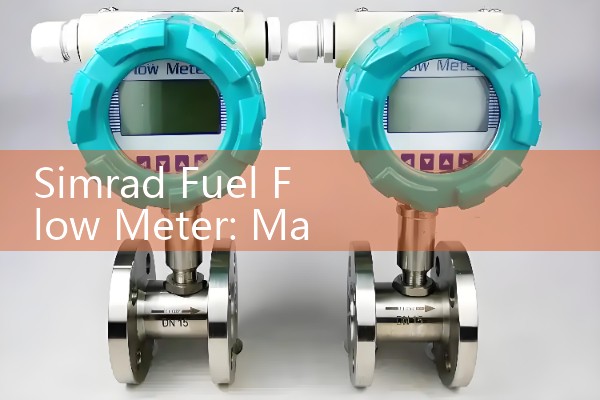
The Simrad fuel flow sensor, usually a turbine type, uses a standard NMEA 2000 drop cable. It broadcasts PGN 127489 (Engine Parameters, Dynamic) which includes fuel rate. Most modern MFDs from Simrad, Lowrance, and B&G recognize this PGN. You open the vessel logbook page, and the system auto-fills diesel liters per hour. No typing. No errors from a crew hand log.
In practice, we have seen small passenger ferries in Indonesia run two sensors (supply and return) on a single diesel engine. The MFD subtracts the return flow to show net consumption. The setup takes under two hours with the right adapter cable.
Why Vessel Logbooks Need Reliable Fuel Data
Marine regulations in many regions now require digital logbooks. Charter companies in the Mediterranean demand proof of fuel use. The Simrad system covers this basic need well. A 35-meter crew boat burning 120 liters per hour at 12 knots logs every trip automatically. The data is ready for the port authority.
But here is the thing. Turbine meters drift when fuel viscosity changes. Bunker fuel in tropical ports can hit 380 cSt at 50 degrees Celsius. The small turbine blade in a Simrad sensor cannot hold its K-factor across that viscosity shift. Your logbook numbers may look consistent, but the true volume error can reach 3 to 5 percent.
Accuracy Gaps in Turbine-Based Fuel Flow Meters
A Simrad fuel flow meter claims around 3 percent accuracy under ideal conditions. That is enough for trend monitoring. It is not enough for custody transfer or bunker reconciliation. We worked with a paint manufacturer in Singapore who operates a coastal tanker. They used Simrad sensors for three years. When they installed a Silver Instruments Coriolis mass flow meter on the same DN40 fuel line, they measured a steady 4.1 percent under-reporting from the turbine unit. Over a year, that gap meant 18,000 liters of missing diesel.
Also, turbine meters need clean fuel. A tiny speck of rust from a ship tank can stall the rotor. Coriolis meters have no moving parts. They measure mass flow directly, independent of viscosity, density, and temperature.
When a Coriolis Mass Flow Meter Beats a Simrad Unit
Silver Automation Instruments supplies the CFM series Coriolis mass flow meter. This meter connects via 4-20 mA HART, pulse, or RS485 Modbus. It does not come with a native NMEA 2000 output. But many vessels add a protocol converter, for example an Actisense NGW-1, to bridge Modbus data onto the NMEA 2000 bus. The converter maps mass flo
The accuracy jump is worth the small integration effort. A CFM series meter delivers 0.1 to 0.2 percent mass flow accuracy. It handles viscosities from 0.5 cP (diesel) to over 500 cP (heavy fuel oil). It measures in kg/h, not just liters, which matters when fuel temperature swings 20 degrees Celsius between morning and noon. A liter of diesel at 15 degrees Celsius is not the same mass as a liter at 45 degrees Celsius.
Electromagnetic and Ultrasonic Meters for Cooling Water and Bilge
Beyond fuel, many vessels log cooling water and bilge discharge. Simrad does not cover these. Silver Instruments offers electromagnetic flow meters with DN15 to DN600 sizes and 4-20 mA outputs. A Malaysian shipyard recently installed eight electromagnetic meters on a fleet of tugboats to monitor cooling water flow and satisfy environmental reporting. These meters pair with a paperless recorder to create tamper-proof logs. The whole package costs less than you would expect.
Fast Quotation and Support from Silver Automation Instruments
If your current Simrad fuel logbook works but you need better accuracy, send us your details. Tell us your fuel type, flow range in kg/h or L/h, pipe size (DN), and required accuracy class. Our engineers will propose a meter and a signal converter to fit your NMEA 2000 network. Email [email protected], call +86-135-1213-1526, or message us on WhatsApp at 86-135-12131526. WeChat users can reach us at +86 13512131526. We respond within 12 hours, Sunday to Sunday.
Frequently Asked Questions
Q: Does a Simrad fuel flow meter work with NMEA 2000 without extra hardware? A: Yes, a Simrad fuel flow sensor connects directly to the NMEA 2000 backbone via a drop cable. It shares data with Simrad, Lowrance, and B&G displays using standard PGNs.
Q: What accuracy can I expect from a turbine fuel flow meter on a marine diesel line? A: Under steady flow and clean fuel, expect about 3 percent of reading. With viscosity changes or contamination, the error often grows to 5 percent or more.
Q: Can a Coriolis mass flow meter output NMEA 2000? A: Not directly. Most Coriolis meters from Silver Instruments use 4-20 mA HART, pulse, or Modbus. You need a protocol converter to inject data into an NMEA 2000 network. Many system integrators in Europe and Asia do this regularly.
Q: What is the price of a Coriolis fuel flow meter for a ship? A: Prices depend on line size, material, and certification. A basic CFM series meter for a DN25 diesel line starts around USD 2,800. For EX-proof or custody-transfer versions, request a specific quote.
Q: Does Silver Instruments supply fuel meters certified for marine classification societies? A: We can provide materials traceable to DNV or ABS standards. Many clients order meters with calibration certificates traceable to ISO 17025. Tell us the class society requirement in your request.
 Hot Product
 Related AD